DECK: *Ninety percent failure rate submitted as complaint; remaining ten percent unexamined.*
BYLINE: By Lydia Channing / Arts & Culture Editor, Slopgate
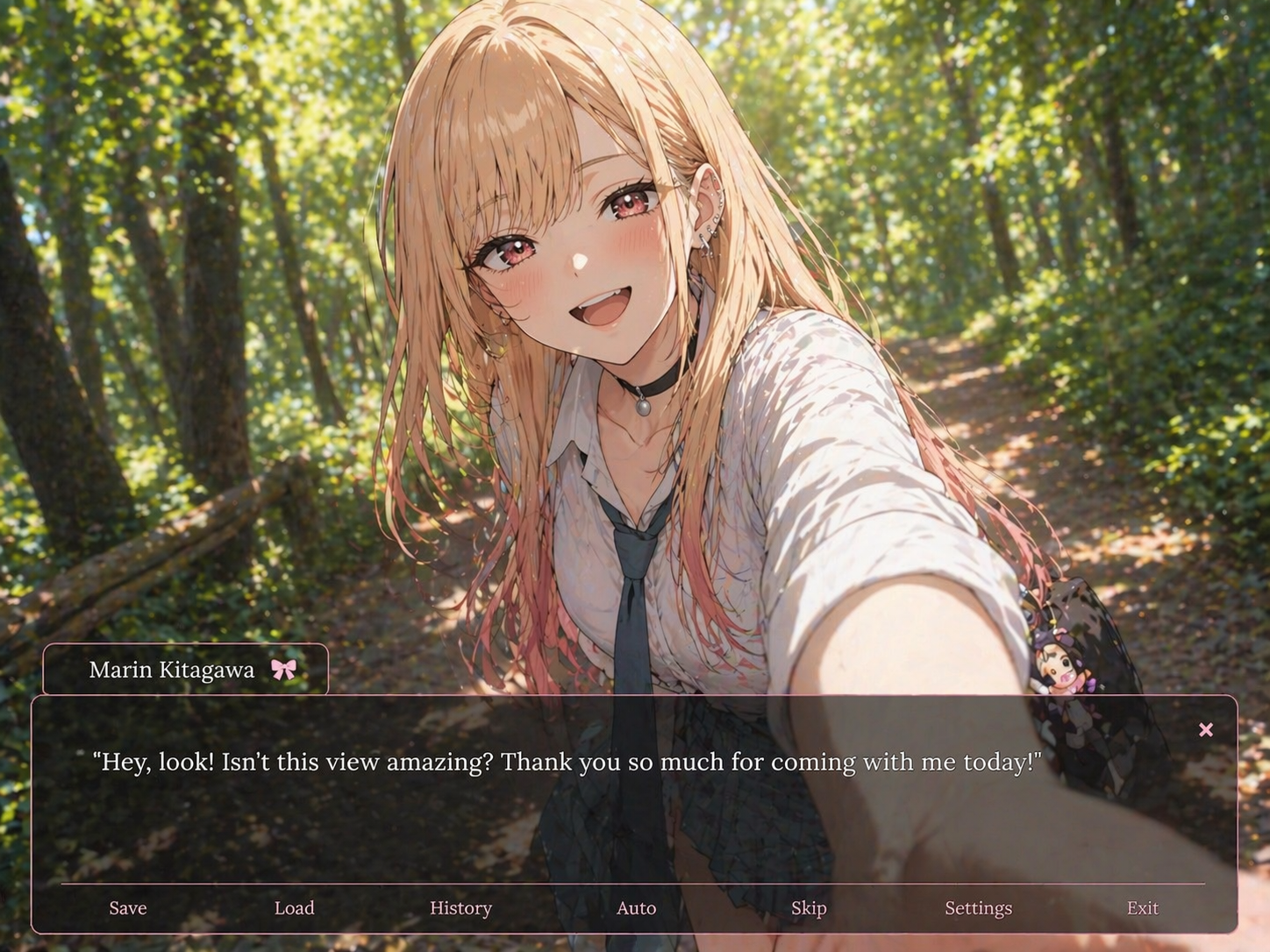
The grievance, posted to the r/ChatGPT forum under the title "ChatGPT Image 2 is broken - weird artifacts 90% of the time," reproduces a single image and a single sentiment: the machine is not working. The image, on inspection, shows a figure whose outstretched hand resolves into a configuration of fingers mirrored across an invisible axis—a hand for which left and right are the same hand, twice. The poster has identified this as malfunction.
The interesting object here is not the image. The image is standard Midjourney fare, deposited in r/ChatGPT under the apparent assumption that all image generators are interchangeable, and reproduced at cutline scale below with the symmetry line drawn in. The interesting object is the complaint.
A statistical smoothing engine produces a statistically smoothed result. The result, in the case of human anatomy, is not a hand but the average of every hand the engine has ever been shown—collapsed, mirrored, doubled, and signed off. This is not a defect of the engine. It is the engine's signature. To register surprise at it is to have purchased a tide table and complained that the water continues to move.
What the post documents, then, is a small economic event. The patron has paid, in attention if not in dollars, for the output of a system whose output he does not appear to have examined before paying. He has formed an expectation—that at some threshold of effort, prompting, or model version, the machine will produce an unbroken hand—and he has filed his disappointment in public, with evidence. The evidence is the hand. The disappointment is the article.
One must apply the auteur framework with care here, because the auteur framework requires an auteur. Has the image made its decisions consciously, unconsciously, or not at all? The answer, in the case of the image, is not at all; the engine has no decisions to make, only weights to settle into. But the post is a different object, and the post has an author, and the author has made a decision: to treat the engine's signature as its failure. This is a decision of remarkable consistency. Ninety percent of the outputs, the poster reports, exhibit the failure. The remaining ten percent are not described, and one suspects they are not described because they are indistinguishable except in the matter of which finger is doubled.
The pleasure of the post—and there is a pleasure, the kind one takes in watching a man explain to the ocean that it is wet—lies in the percentage. Ninety. Not most, not nearly all, not the great majority: ninety. The figure carries the precision of a man who has tested. He has run the engine, examined the hands, sorted the hands, and arrived at a ratio. He has done the work of a quality assurance department, gratis, for a system whose quality is the ratio he has measured. He has not concluded from his measurement that the ratio is the product. He has concluded that the product is broken in proportion to the ratio, which is to say that the product is broken in proportion to its existence.
This is the economics of disappointment in its purest form. The disappointment is renewable. It refreshes with each generation. It is the engine's actual output, in volumes far exceeding the images: a steady production of small grievances, posted to forums, photographed, screenshotted, reposted, aggregated, scraped, and—in time—fed back into the engine as training data. The patron is not the customer of the system. He is a worker in it.
There is no contempt available for this transaction. Contempt would require the belief that the patron should have known better, and the patron is, in the most literal sense, doing what the system has trained him to do: to expect, to test, to grade, to report. He is the engine's most diligent reader. He is reviewing the slop in good faith. The hand, meanwhile, continues to mirror itself, and the percentage will continue to refresh, and the broadsheet will continue to find specimens.
CUTLINE: Specimen: Figure with outstretched hand exhibiting bilateral finger symmetry—axis of mirroring drawn in by this newspaper. Recovered from r/ChatGPT, account undisclosed, April 2026. The hand is the hand the engine produces; the line is the line the engine draws.